
Sustainable & Responsible Komodo Sailing Experiences
Flores Boat Trip Expeditions Editorial Desk 6 min read
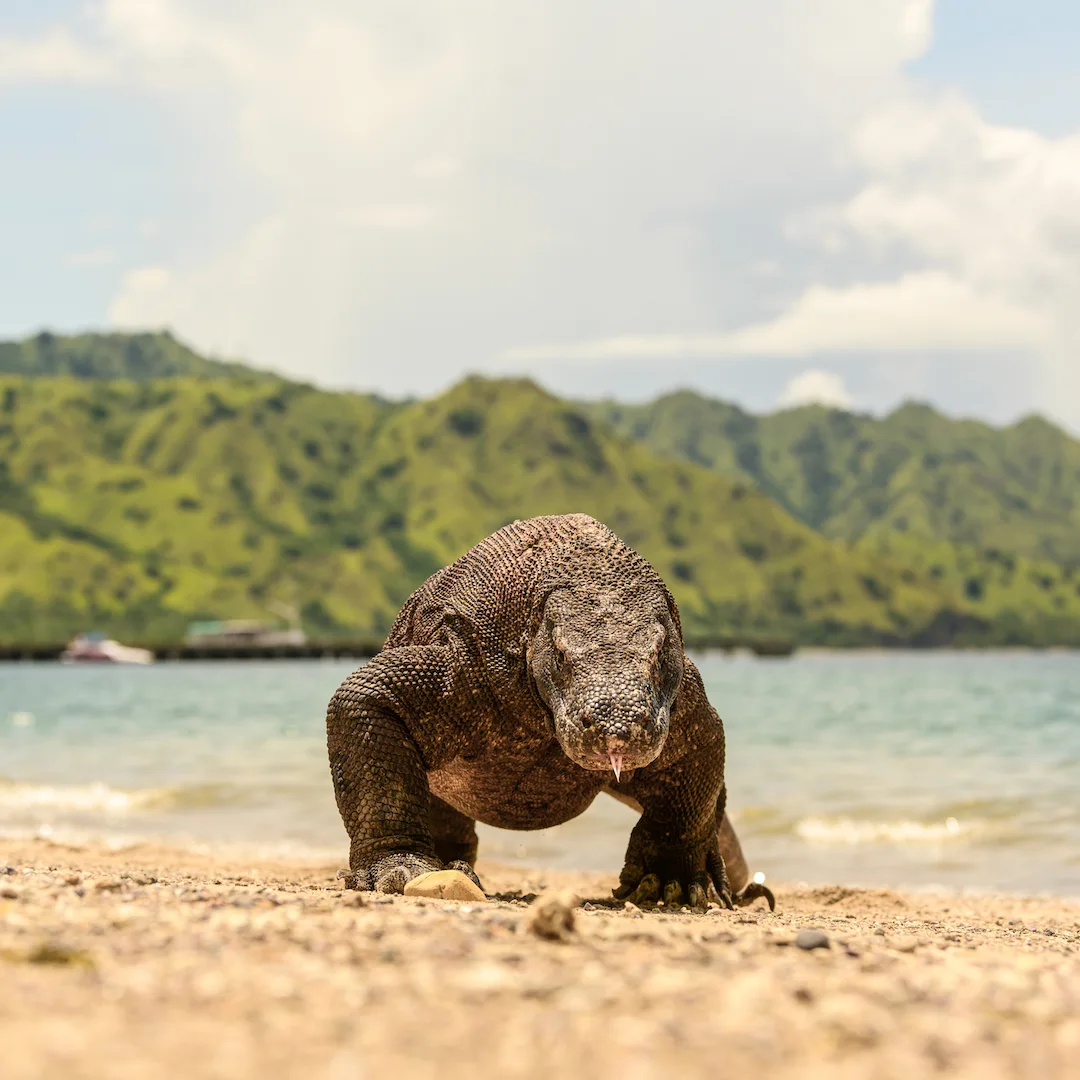
Understanding Sustainable & Responsible Komodo Sailing Experiences
The Komodo Islands, renowned for their magnificent landscapes and unique wildlife, require our stewardship to ensure their preservation. Sustainable and responsible sailing experiences in this region not only enhance your adventure but also support the local ecosystem and community. This guide explores how to choose eco-friendly operators, adhere to conservation rules, and reduce your carbon footprint while enjoying the breathtaking beauty of Komodo.
Choosing an Eco-Friendly Komodo Boat Operator
When planning your sailing adventure in Komodo National Park, selecting the right operator is crucial. An eco-friendly Komodo boat operator minimizes environmental impact by adhering to sustainable practices. Look for operators that:
- Use renewable energy sources (like solar panels) on board.
- Provide reusable water bottles and plastic-free dining options.
- Participate in local conservation initiatives.
In 2026, you can expect prices for sustainable liveaboards to start around $150 per day, including meals and guided excursions. Popular choices include Komodo Dive Center and Eco Komodo Boat, both of which have received positive feedback for their commitment to sustainability.
How to Visit Komodo Responsibly
Responsible tourism starts with awareness and respect for the local environment and culture. Here are some key tips for visiting Komodo responsibly:
- Respect wildlife: Observe Komodo dragons and marine life from a safe distance, ensuring their natural behaviors are undisturbed.
- Follow park guidelines: Familiarize yourself with Komodo National Park conservation rules, such as not littering and staying on designated paths.
- Support local communities: Buy locally-made souvenirs and engage in tours that benefit the local economy.
By embedding these practices into your travel habits, you not only enrich your experience but also contribute to the sustainability of the destination.
Understanding the Conservation Rules for Tourists in Komodo National Park
Komodo National Park is not only a UNESCO World Heritage Site but also a delicate ecosystem that requires specific conservation rules for tourists. Here are some essential regulations to keep in mind:
- Visitors must pay a park entrance fee, approximately $10 (150,000 IDR), which directly supports conservation efforts.
- Guided tours to see Komodo dragons are mandatory to prevent accidents and ensure both visitor and animal safety.
- Fishing or collecting marine life is strictly prohibited in certain areas to protect biodiversity.
Make sure to stay informed about any updates to these rules, as they are crucial for preserving this unique environment for future generations.
The Impact of Tourism on Komodo Dragons
Tourism can have both positive and negative impacts on the iconic Komodo dragons. While responsible tourism contributes to funding conservation efforts, excessive visitation can lead to habitat degradation and stress for the animals. Here are the key points regarding the impact:
- Habitat Disturbance: Increased foot traffic can disturb nesting sites and feeding areas.
- Human Interaction: Regular encounters with humans can cause aggressive behavior in dragons, affecting their natural instincts.
- Economic Incentives: Sustainable tourism provides economic benefits to the local community, encouraging them to protect rather than exploit the dragons.
As visitors, you can help mitigate these impacts by following guidelines and choosing responsible tour operators that prioritize wildlife welfare.
Is Feeding Manta Rays Allowed in Komodo?
Feeding manta rays or any wildlife is generally discouraged in Komodo National Park. While it may be tempting to interact closely with these magnificent creatures, feeding them can disrupt their natural feeding behaviors and ecology. Here’s what you need to know:
- Manta rays are filter feeders that rely on natural plankton blooms for sustenance.
- Feeding can lead to dependency on human-provided food, which can compromise their health.
- It is illegal to disturb marine life through feeding or touching in national parks.
For a fulfilling experience, engage in responsible snorkeling or diving excursions to observe manta rays in their natural habitat without intruding on their behavior.
Plastic-Free Komodo Boat Trip Tips
Reducing plastic waste is essential for preserving the pristine waters and shores of Komodo. Here are practical tips for a plastic-free boat trip:
- Bring Reusable Items: Pack a reusable water bottle, cutlery, and a cloth bag for snacks.
- Choose Operators that Commit to Plastic Reduction: Ensure your chosen boat operator actively avoids single-use plastics in their onboard services.
- Participate in Cleanup Activities: Some operators organize beach cleanups, allowing you to contribute directly while enjoying your trip.
By implementing these strategies, you can enjoy the stunning beauty of Komodo while safeguarding it for future visitors.
Understanding the Carbon Footprint of Komodo Liveaboard Trips
Awareness of your carbon footprint is essential when planning an adventure in Komodo. Liveaboard trips can contribute significantly to carbon emissions, primarily due to fuel consumption. Here’s how you can address this concern:
- Choose Efficient Vessels: Opt for modern, fuel-efficient boats or those that utilize alternative energy sources.
- Consider Trip Duration: Shorter trips (2-3 days) may reduce overall emissions compared to longer excursions.
- Carbon Offsetting: Some tour operators offer carbon offsetting programs that allow you to compensate for your travel emissions.
In 2026, you might expect prices for eco-conscious liveaboard trips that address carbon footprint concerns to range around $180 per person per day. These experiences not only minimize environmental impact but also promote awareness among travelers.
Frequently Asked Questions
1. What are the best months to visit Komodo for sustainable tourism?
The ideal months for sustainable tourism in Komodo are April to November, when the weather is dry, and marine life is abundant.
2. How can I find ethical tour companies in Komodo?
Research reviews and seek recommendations from previous travelers. Look for companies that are certified by eco-labels or participate in conservation efforts.
3. Are there any regulations regarding snorkeling and diving in Komodo?
Yes, divers and snorkelers must follow local guidelines that prohibit touching marine life or damaging coral reefs.
Conclusion
By choosing a sustainable and responsible approach to your Komodo sailing experience, you not only enhance your adventure but also contribute to the preservation of this extraordinary environment. Adopt eco-friendly practices, respect conservation rules, and select operators committed to responsible tourism. Your journey can be both memorable and impactful.
Start planning your sustainable Komodo adventure today!