What is the Best Time for a Flores Sailing Adventure?
Flores Boat Trip Expeditions Editorial Desk 12 min read
The best time for a Flores sailing adventure is during the dry season, from April through October. This period guarantees the most favorable conditions: calm seas, clear blue skies, and exceptional underwater visibility for exploring the vibrant coral reefs. This window ensures both comfort and the full spectrum of Flores’ natural wonders.
- Peak Season (June-August): Expect perfect weather, calm waters, and the highest number of fellow travelers.
- Shoulder Seasons (April-May & September-October): An ideal balance of excellent conditions and fewer vessels on the water.
- Marine Life: Prime visibility for encountering Manta Rays and active Komodo dragons throughout the entire dry season.
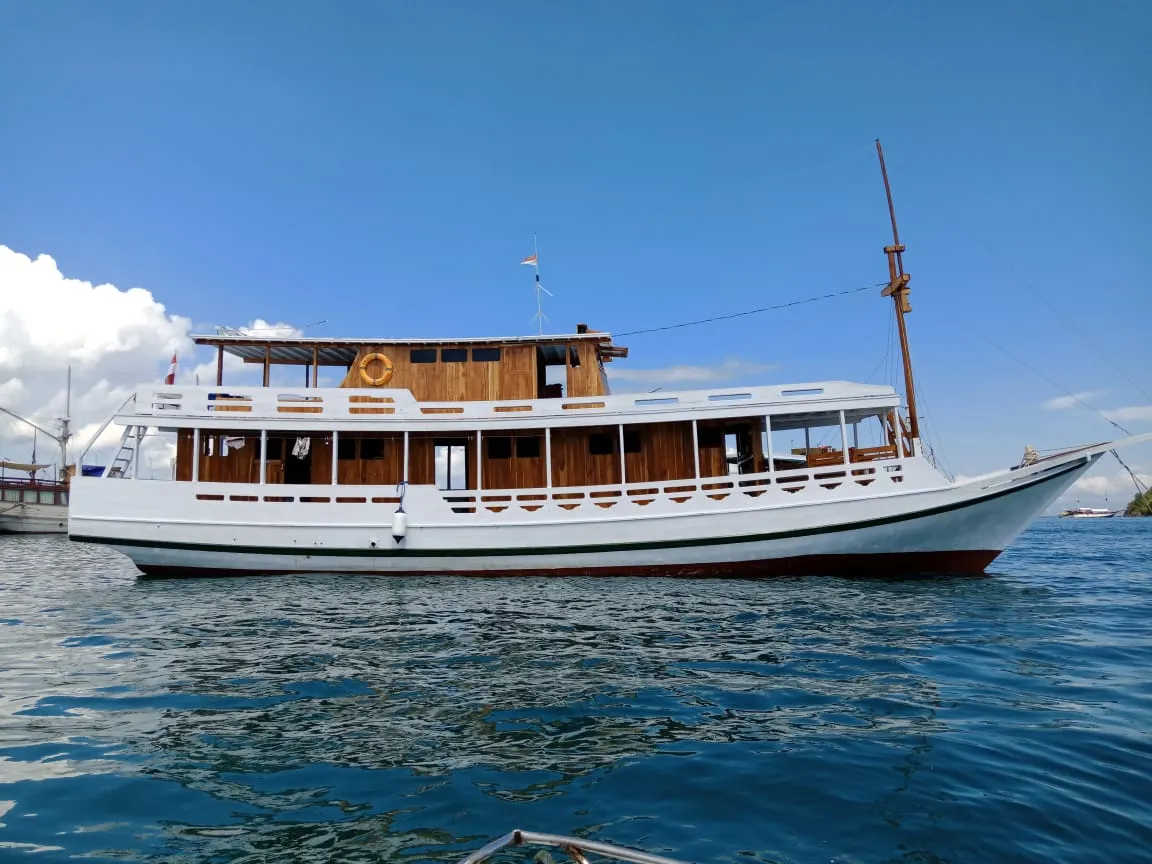
The air is thick with the scent of salt and warm teak. Sunlight filters through the rigging of the phinisi, casting intricate, shifting patterns across the deck as the deep blue waters of the Flores Sea glide silently beneath the hull. A distant fish eagle calls out, its cry echoing across a landscape of volcanic, savanna-clad islands that rise from the ocean like ancient titans. This is not a passive observation; it is a full sensory immersion into one of the planet’s last great wild frontiers. Choosing when to this journey is the most critical decision you will make, one that dictates the clarity of the water, the calmness of the seas, and the very rhythm of your expedition.
Decoding the Seasons: Dry vs. Wet in the Lesser Sundas
Unlike the four-season calendar many of us are accustomed to, the climate in Indonesia’s Lesser Sunda Islands, where Flores resides, is governed by a powerful biannual monsoon. This cycle creates two distinct seasons: a dry season and a wet season. Understanding this rhythm is fundamental to planning any maritime expedition here. The dry season, running from approximately April to November, is unequivocally the prime window for the best time for a flores sailing charter. During these months, the southeast monsoon brings arid air from the Australian continent, resulting in minimal rainfall—often less than 50 millimeters per month—and an abundance of cloudless days. Sea conditions are exceptionally placid, with average water temperatures hovering around a pleasant 28°C (82°F). This tranquility is essential not only for comfortable cruising but also for activities like kayaking, paddleboarding, and making seamless beach landings. More importantly, the lack of rain and land runoff translates to extraordinary underwater visibility, frequently exceeding 30 meters, which is critical for appreciating the kaleidoscopic reefs of Komodo National Park. This is the season for hiking the dramatic ridges of Padar Island for its iconic tripartite bay view and for watching the sunset paint the sky in hues of ochre and violet without interruption.
Conversely, the wet season, from November to March, presents a different and often more challenging picture. The northwest monsoon ushers in moisture-laden winds, leading to significant rainfall, particularly in January and February when monthly precipitation can exceed 300 millimeters. While this transforms the islands into a canvas of intense, vibrant green, it brings with it rougher seas and stronger currents. These conditions can make sailing uncomfortable and sometimes hazardous, forcing itinerary changes and potentially limiting access to certain moorings and dive sites. The very essence of a Flores boat trip is freedom and exploration, which can be compromised by the meteorological unpredictability of these months. While a sudden tropical downpour can be dramatic, the persistent cloud cover and turbulent waters mean this period is generally best avoided for a seamless luxury sailing experience.
The Peak Window: Sailing from June to August
Within the long dry season, the three-month stretch from June to August represents the absolute pinnacle of sailing conditions in the Komodo archipelago. Meteorologically, it is as close to perfect as one can find. The sun is a near-constant presence, the humidity is at its lowest point for the year, and a consistent, gentle southeasterly breeze provides ideal sailing winds without creating significant swell. This is the period when the deep blue of the sky and the turquoise of the sea are at their most saturated. It is, without question, the most popular time to visit. Komodo National Park can see visitor numbers swell to over 20,000 people per month, a significant figure for this protected area. This influx means that securing a premier vessel, such as the hand-crafted phinisi schooners in our fleet, requires foresight. We typically advise our clients to book their charters at least 9 to 12 months in advance for these prime dates. The popularity also extends to air travel, with flights into Labuan Bajo (LBJ) commanding higher prices.
However, the allure is undeniable. The legendary Komodo dragons are often at their most active during these months, which coincides with their mating season. This can lead to more dynamic encounters, with male dragons engaging in territorial disputes. For divers and snorkelers, the conditions are superb. The water clarity at world-renowned sites like Batu Bolong and Castle Rock is magnificent, and the aggregation of majestic reef manta rays at their cleaning stations, such as Manta Point, is highly reliable. While the popular anchorages can be busy, the advantage of a private Flores sailing expedition is the ability to leverage expert local knowledge. Our captains and cruise directors excel at crafting itineraries that navigate away from the day-trip crowds, finding secluded coves and quiet reefs that preserve that essential sense of private discovery, even at the busiest time of year.
The Editor’s Choice: The Allure of the Shoulder Seasons
For the discerning traveler, the true magic of Flores is often found just outside the peak summer rush. The shoulder seasons—April to May and September to October—represent what many seasoned Indonesia explorers, myself included, consider the ultimate sweet spot. These months offer a sublime blend of the dry season’s finest attributes with a welcome reduction in visitor density. In April and May, the islands are emerging from the wet season, and the landscape is electric with life. The savanna grasses on the hills of Rinca, Komodo, and Padar are a brilliant, almost iridescent green, a striking contrast against the turquoise sea that you won’t see later in the dry season when the terrain turns a golden brown. The air is fresh, the occasional, brief shower serves only to clear the humidity, and the waters are beginning to calm as the monsoon transition completes. You feel as if you have the archipelago to yourself, a sentiment that is increasingly rare.
The later shoulder season, from September to October, is equally compelling. The European holiday crowds have departed, yet the weather remains splendidly dry and stable. The sea has been warmed by the sun for months, making for exceptionally comfortable and long snorkeling and diving sessions. This period is particularly noted by marine biologists for an increase in sightings of larger pelagic species. As water temperatures and currents shift, there is a higher probability of encountering migrating whale sharks, especially in the northern reaches of the park. For those seeking a more profound connection with the environment, the tranquility of these months is invaluable. The experience of watching thousands of flying foxes depart their mangrove colony at sunset from Kalong Island, with only one or two other vessels in sight, is profoundly different from sharing it with a dozen. This is the best time for a flores sailing journey that prioritizes both perfect conditions and a sense of exclusive solitude.
Marine Life Encounters: A Calendar for Divers and Snorkelers
A voyage through the Flores Sea is a pilgrimage into the heart of the Coral Triangle, an area recognized by scientists as the global epicenter of marine biodiversity. According to some estimates, it contains 76% of the world’s coral species and over 2,000 species of reef fish. Timing your expedition correctly maximizes your chances of witnessing this underwater theater at its most dramatic. The dry season, from April to November, is paramount for visibility, which regularly allows for clear sightlines of 25-30 meters or more. This clarity is crucial for appreciating the intricate details of the reefs and for spotting marine life from a distance. The iconic Reef Manta Rays (Mobula alfredi) are a primary draw. While present year-round, their congregations at key “cleaning stations” like Karang Makassar (Manta Point) are most reliable and observable from June to September when currents are predictable and the plankton-rich waters attract them in large numbers. Watching these gentle giants, with wingspans up to 5 meters, glide effortlessly is a core Komodo experience.
The main attraction on land, the Komodo dragon (Varanus komodoensis), is also subject to seasonal behavior within its UNESCO World Heritage-protected habitat. They can be seen throughout the year, but their activity levels peak during their mating season from May to August. During this time, males are more mobile and can be seen engaging in impressive displays of dominance. Later in the year, around September, is when the females lay their eggs, and they will guard their nests for several months. For avid divers, sites like Batu Bolong—a pinnacle teeming with life—and Crystal Rock are at their best in the dry season, when manageable currents allow for safe exploration of their vibrant, fish-swarmed walls. Sea turtles, including Green and Hawksbill turtles, are abundant, particularly at sites like Siaba Besar, often called “Turtle Town.” Planning your charter during these optimal months ensures that your encounters with this incredible fauna are not left to chance.
Beyond Komodo: Timing Your Overland Flores Expedition
While the allure of a sea-based journey is powerful, the island of Flores itself offers profound cultural and geological experiences that merit consideration. Many of our clients choose to extend their journey with a 3- to 5-day overland expedition, and timing this portion correctly is just as crucial as planning the sail. The dry season of April to November remains the guiding principle. The island’s most celebrated inland attraction is Kelimutu National Park, home to three volcanic crater lakes that famously change color due to fluctuating mineral content. The quintessential experience is to arrive for sunrise, watching as the first light reveals the turquoise, green, or sometimes red hues of the water. This is only reliably possible during the dry season; from November to March, a thick blanket of fog often shrouds the craters until mid-morning, completely obscuring the view. The winding, mountainous roads across Flores, while scenic, can also be subject to landslides during heavy rains, making overland travel in the wet season less predictable.
Another coveted destination is the remote traditional village of Wae Rebo, with its iconic cone-shaped Mbaru Niang houses. Reaching it requires a challenging 7-kilometer trek through the rainforest. During the dry months, this is a beautiful, albeit strenuous, hike. In the wet season, the trail can become a treacherous path of deep mud and slippery inclines, making the journey significantly more difficult and less enjoyable. Integrating these overland adventures seamlessly with a maritime itinerary is our specialty. A well-planned Flores boat trip often begins or ends with an overland leg, allowing you to experience the full spectrum of the island’s wonders, from the volcanic peaks to the coral gardens. For broader travel context within the archipelago, the official Indonesia Travel portal provides useful information, but for the specific logistics of a combined land-and-sea journey, expert planning is key to a flawless experience.
Quick FAQ: Your Flores Sailing Questions Answered
Is Flores affected by the same rainy season as Bali?
Yes, the seasons are broadly aligned, as both are part of the Lesser Sunda Islands. However, Flores is situated further east and generally experiences a more arid climate. This means its dry season is often longer and more pronounced, and its wet season can be slightly shorter and less intense than Bali’s, particularly in the western parts of the island near Labuan Bajo.
What are the sea conditions like during the best months?
From April through October, the Flores Sea is typically very calm. The prevailing winds from the southeast are steady but gentle, creating ideal sailing conditions without generating large waves. Ocean swells rarely exceed one meter, making for exceptionally smooth passages between islands. This is particularly advantageous for guests who may be concerned about motion sickness.
Can I sail in the wet season at all?
While a few budget operators may offer trips year-round, we at Flores Boat Trip Expeditions strongly advise against it for a premium, safe, and enjoyable experience. The wet season (November-March) brings unpredictable weather, rougher seas with swells often reaching 2-3 meters, and strong, erratic currents. This can force last-minute itinerary cancellations, limit access to prime snorkeling and diving sites, and compromise the overall comfort and luxury standard of the journey.
How far in advance should I book for a private charter in peak season?
For the peak months of June, July, and August, we recommend securing your private charter 9 to 12 months in advance. This ensures the best selection of our handcrafted phinisi vessels and allows ample time for our team to customize your itinerary perfectly. For the shoulder seasons, booking 6 to 9 months ahead is a wise practice.
The decision of when to visit Flores is the foundational choice upon which your entire expedition rests. To witness the archipelago in its full glory—with serene seas, vibrant marine life, and sun-drenched volcanic peaks—the clear consensus points to the dry season. The months from April to October offer a long and reliable window of opportunity, with the shoulder periods of April-May and September-October providing a particularly exquisite balance of idyllic weather and welcome solitude. The Flores Sea is not just a destination; it is a living, breathing ecosystem waiting to be explored with reverence and wonder. Let our expedition planners craft your perfect flores boat trip. Explore our fleet and sample itineraries to begin your journey into the heart of the Coral Triangle.