Plan your trip
Best Time for Flores Boat Trip Expeditions
- **Peak Dry Season (June-September):** Ideal weather, calmest seas, highest marine visibility, but also highest prices and crowds.
- **Shoulder Seasons (April-May & October-November):** Excellent balance of good weather, moderate crowds, and better value.
- **Wet Season (December-March):** Lush landscapes, lowest prices, fewer tourists, but higher chance of rain and rougher seas.
The morning sun, a warm caress, spills across the deck of your private yacht, illuminating the turquoise expanse of the Flores Sea. A gentle breeze carries the scent of salt and distant frangipani. Beneath the surface, a vibrant of coral awaits, teeming with life. This is the promise of a flores boat trip, an expedition into Indonesia’s pristine heart. But to truly unlock this magic, to witness Komodo dragons against a backdrop of azure skies and waters where manta rays dance effortlessly, timing is everything. Understanding the nuanced rhythm of Flores’ seasons transforms a mere trip into an unforgettable odyssey, ensuring every moment from your first sunrise to your final dive resonates with perfection. We meticulously chart the year, month by month, guiding your decision for an expedition that aligns with your desires for weather, marine encounters, and crowd dynamics.
The Peak Dry Season: Azure Skies and Pristine Waters (June – September)
This four-month stretch represents the zenith for Flores expeditions, a period when the elements conspire to create near-perfect conditions. The southeast monsoon winds bring dry, stable weather, ensuring clear skies and consistently calm seas that are ideal for cruising and diving. Air temperatures comfortably hover between 28°C and 32°C, with minimal humidity, allowing for refreshing days exploring the islands. Water temperatures remain invitingly warm, averaging 27°C to 29°C, and visibility often extends beyond 25 meters, sometimes reaching an astonishing 30 meters in dive sites like Batu Bolong or Castle Rock. This clarity unveils a kaleidoscopic underwater world, where schools of fusiliers swirl around vibrant coral gardens and reef sharks patrol the depths.
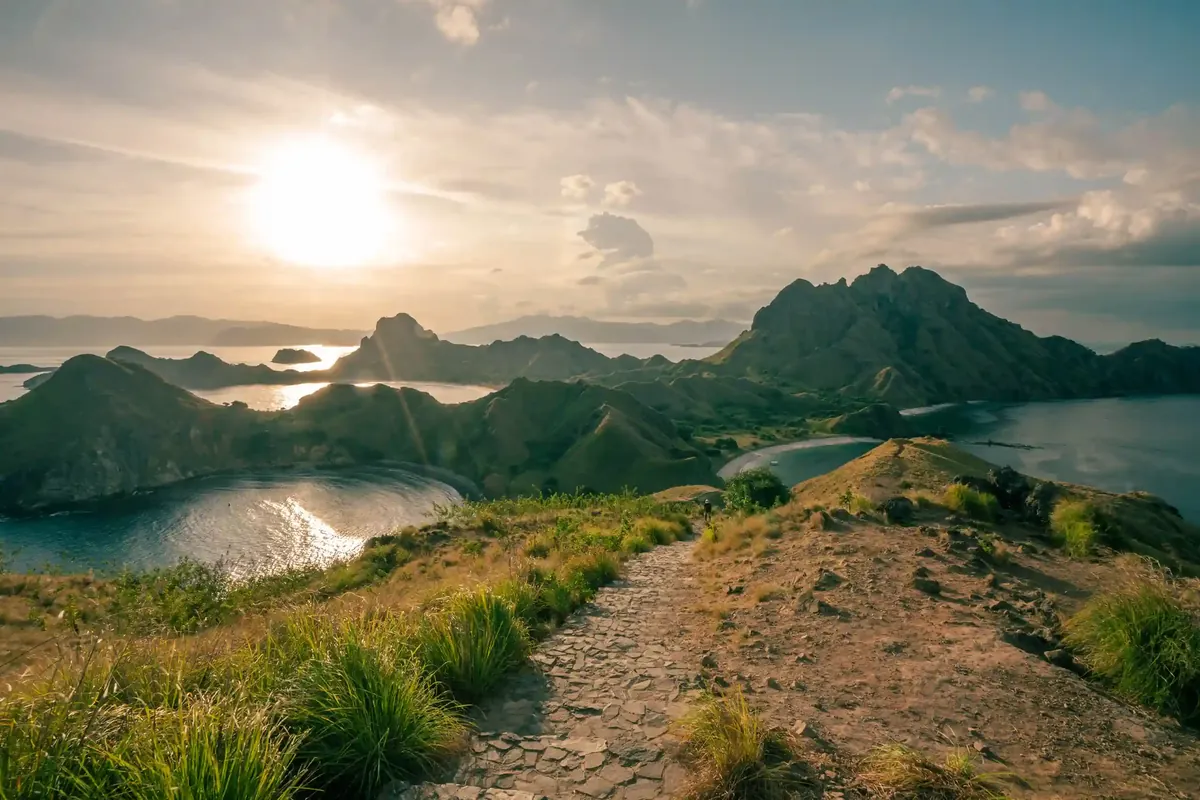
However, this perfection comes with a trade-off: popularity. July and August are the busiest months, drawing travelers globally. Expect higher prices for charters, with some luxury yachts seeing rates increase by 15-20% compared to the shoulder season. Accommodation in Labuan Bajo, the gateway to your flores boat trip, also commands premium rates and requires booking several months in advance. The iconic pink beach of Padar Island, while still breathtaking, will host more visitors during these peak hours. Despite the increased footfall, the sheer scale and beauty of the Komodo National Park ensure moments of solitude are still plentiful, especially on multi-day liveaboard expeditions that venture to more remote corners. We recommend securing your preferred vessel at least 6-9 months ahead for July and August departures to avoid disappointment.
Unrivaled Marine Encounters
During these months, the stable conditions are not just comfortable for humans; they are also prime for marine life. Manta rays are frequently sighted in designated cleaning stations like Manta Point, often in groups of five or more. Whale sharks, though less predictable, have been known to grace the waters around Flores during this period, particularly in the northern reaches. The Komodo dragons, too, are more active, often seen basking in the sun on Rinca and Komodo islands. Land excursions, from trekking to see these prehistoric reptiles to scaling Padar Island for its iconic vistas, are exceptionally pleasant under the dry, sunny skies. The likelihood of rain is less than 5% for any given day, offering uninterrupted exploration.
The Shoulder Seasons: Savvy Exploration and Verdant Vistas (April – May & October – November)
For the discerning traveler seeking an exquisite balance of favorable conditions, fewer crowds, and more attractive pricing, the shoulder seasons present an irresistible proposition. These periods act as elegant transitions, offering a taste of both the dry and wet seasons without the extremes of either.
Spring Shoulder: April and May
As the last vestiges of the wet season fade, April and May emerge as a sweet spot. The landscapes, still vibrant and lush from recent rains, offer a stark, refreshing contrast to the parched browns of the peak dry season. The air is slightly cooler, averaging 27°C to 30°C, and humidity begins to drop. Occasional short, refreshing showers might occur, typically lasting less than an hour and often in the late afternoon or overnight, barely impacting daily activities. Marine visibility, while perhaps not reaching the absolute peak of July, is still excellent, frequently exceeding 20 meters. Water temperatures remain warm at 26°C to 28°C. One of the significant advantages is the noticeable reduction in tourist numbers. You might find yourself sharing a dive site with only one or two other boats, rather than a handful. Charter prices for a luxury flores boat trip can be 10-15% lower than peak season rates, offering compelling value for an almost identical experience. This is an ideal time for photographers, as the interplay of light and lush greenery creates dramatic backdrops.
Autumn Shoulder: October and November
As the dry season draws to a close, October and November usher in another period of exceptional travel. The weather remains predominantly dry and sunny, with temperatures similar to the spring shoulder. The seas are generally calm, though towards late November, you might encounter the very occasional localized squall as the northwest monsoon begins its gentle approach. Marine life continues to thrive, with excellent diving and snorkeling conditions. October, in particular, is often hailed by seasoned divers as one of the best months for visibility and marine biodiversity, sometimes even surpassing July and August. The crowds are significantly thinner than the peak summer months, allowing for a more intimate experience at popular sites. Pricing remains competitive, with potential savings of 5-10% on expedition costs. This period is particularly rewarding for those seeking tranquility and unhurried exploration, often enjoying spectacular sunsets painted across a vast, uncrowded sky. For those interested in unique cultural experiences, local festivals sometimes occur in October, adding another layer to your journey.
The Wet Season: A Verdant Escape and Exceptional Value (December – March)
While often overlooked by conventional travel guides, the wet season in Flores, from December to March, holds a distinctive allure for the adventurous and value-conscious traveler. This period is characterized by higher rainfall, but it’s crucial to understand that “wet season” in the tropics rarely means continuous downpours. Typically, rain manifests as intense, short bursts in the late afternoon or overnight, leaving mornings and early afternoons gloriously sunny and fresh. Average air temperatures range from 25°C to 29°C, and humidity is higher, but the air feels clean and revitalized after a shower.
The most striking feature of the wet season is the landscape transformation. The arid hills of Komodo and Rinca burst into vibrant greens, offering a stunning contrast to the turquoise waters. This lushness provides incredible photographic opportunities and a unique perspective on the islands. Marine visibility can be more variable, sometimes dropping to 10-15 meters in certain areas, particularly near river mouths after heavy rain. However, many offshore dive sites maintain good visibility, and the slightly cooler waters can sometimes trigger plankton blooms, attracting larger pelagic species like whale sharks, though their appearances are never guaranteed.
Unbeatable Value and Solitude
The primary advantage of a wet season flores boat trip is the profound sense of solitude and exceptional value. Tourist numbers plummet by as much as 70-80% compared to peak season. You can explore iconic sites like Padar Island with barely another soul in sight, truly immersing yourself in the raw beauty of the archipelago. Prices for luxury yacht charters and land-based accommodations can be 20-30% lower than peak season rates, making a high-end expedition more accessible. Some operators even offer special wet season packages, including complimentary experiences or extended stays. While occasional strong winds and currents can occur, reputable operators prioritize safety and adapt itineraries accordingly, focusing on sheltered bays and calmer waters. For those seeking an escape from the crowds and a chance to witness Flores in its most verdant, pristine state, this season offers an , intimate experience. Indonesia.travel often highlights the unique beauty of this period.
Marine Conditions: Diving Deeper into Visibility and Currents
Understanding the marine conditions is paramount for any Flores boat trip, especially for those with a passion for diving and snorkeling. The Komodo National Park, a UNESCO World Heritage Site, is renowned for its dynamic currents and incredibly rich biodiversity.
During the **peak dry season (June-September)**, the consistent southeast winds result in generally calm surface conditions, but can also amplify currents in specific channels, particularly around the famous Gili Lawa Darat pass or the iconic Batu Bolong. These currents, however, are precisely what make Komodo’s dive sites so vibrant, bringing nutrient-rich waters that sustain an incredible array of life. Visibility is consistently at its best, often exceeding 25 meters, allowing for breathtaking wide-angle photography of vast coral reefs and schools of fish. Water temperatures are a comfortable 27-29°C, making long dives enjoyable. Manta rays are particularly prevalent at Manta Point during this period, often seen in large aggregations.
The **shoulder seasons (April-May & October-November)** offer a transition. In April and May, as the monsoons shift, currents can be slightly less predictable than the peak dry season but are generally manageable. Visibility remains excellent, typically 20-25 meters. October and November often present some of the most stable and clear conditions of the entire year, with water temperatures reaching 28-30°C. Many experienced divers consider October a prime month, balancing superb visibility with fewer divers at popular sites. The chances of spotting pelagic species like eagle rays and tuna are consistently high. Wikipedia provides comprehensive details on the park’s marine ecosystem.
In the **wet season (December-March)**, marine conditions become more variable. While many dive sites remain perfectly diveable, visibility can occasionally drop to 10-15 meters, particularly closer to shore or after heavy rainfall. Stronger currents can also be more prevalent, especially in exposed areas. However, for experienced divers, these conditions can sometimes lead to unique encounters. The increased plankton in the water, which reduces visibility, can also attract larger filter feeders. Water temperatures remain warm, typically 26-28°C. Operators during this period are adept at selecting the most sheltered and clear dive sites, ensuring a safe and rewarding experience. For those prioritizing underwater photography, the dry and shoulder seasons generally offer more consistent conditions for capturing crystal-clear shots.
Crowd Dynamics and Pricing Windows: Strategic Planning
ebb and flow of tourist crowds and understanding pricing structures is key to tailoring your Flores boat trip to your personal preferences for solitude and budget.
The **peak dry season (June-September)** is, without question, the busiest time. July and August see the highest influx of international travelers, leading to crowded popular sites like Padar Island’s viewpoint, Komodo Island’s dragon trails, and iconic dive spots. Luxury yacht charters and liveaboards are often booked solid 6-12 months in advance, and prices are at their highest, reflecting demand. Expect to pay a premium of 15-20% above shoulder season rates for the same vessel and itinerary. This period is ideal for those who prioritize guaranteed perfect weather and don’t mind sharing the experience with more fellow adventurers. Booking early is not just recommended; it’s essential to secure your preferred dates and vessel, with deposits typically required 3-6 months out.
The **shoulder seasons (April-May & October-November)** offer a sweet spot for those seeking a more exclusive experience without compromising on weather. Tourist numbers are noticeably lower, often by 30-50% compared to peak season. This translates to fewer boats at dive sites, more serene treks, and a greater sense of intimacy with the natural environment. Pricing for luxury charters typically sees a reduction of 10-15% from peak rates, making these months excellent value. You might find more flexibility in booking schedules and potentially even last-minute availability, though booking 3-5 months in advance is still advisable for prime choices. This window is perfect for travelers who appreciate tranquility and are looking for a slightly more personalized journey.
The **wet season (December-March)** is the period of lowest tourist density and the most attractive pricing. Crowds virtually disappear, offering an sense of solitude. You might find yourself the only group on a particular island or dive site for extended periods. This is when prices for a luxury flores boat trip drop significantly, often by 20-30% compared to peak season. Some operators offer special promotional rates or added inclusions to incentivize travel during these months. While the weather can be more challenging, the trade-off is often a deeply personal and reflective experience of Flores, untouched by the buzz of peak tourism. This period is ideal for budget-conscious luxury travelers or those seeking absolute serenity and don’t mind the occasional rain shower. Booking 1-3 months in advance is generally sufficient.
Choosing Your Flores Boat Trip: A Seasonal Synthesis
The decision of when to your flores boat trip ultimately depends on your priorities. If guaranteed sunshine, calmest seas, and optimal marine visibility are paramount, and you are prepared for higher prices and more company, the **peak dry season (June-September)** is your clear choice. Imagine basking on a private deck, the sun warming your skin as you cruise past emerald islands, with the promise of a vibrant underwater world just below.
However, for those who value a more intimate encounter with Flores, where vibrant green landscapes meet clear waters and the hum of fellow travelers is replaced by the gentle lapping of waves, the **shoulder seasons (April-May & October-November)** present an irresistible allure. These months offer a harmonious blend of excellent conditions, moderate crowds, and better value, allowing for a deeper connection with the archipelago’s natural wonders. Picture yourself snorkeling in a secluded cove, the only sounds the rustle of leaves and the distant call of a sea eagle.
Finally, for the intrepid explorer, the photographer seeking dramatic, lush backdrops, or the traveler prioritizing absolute solitude and exceptional value, the **wet season (December-March)** unveils a different, yet equally captivating, side of Flores. While the weather demands a degree of flexibility, the rewards are immense: pristine, uncrowded landscapes, intimate wildlife encounters, and the profound sense of having a truly unique experience. Envision trekking through verdant hills, the air fresh and clean after a tropical shower, revealing a view of the Komodo National Park that few others witness.
Regardless of your chosen time, a Flores boat trip with Flores Boat Trip Expeditions transcends a mere vacation; it is an immersion into a realm of natural beauty and adventure. Our meticulously curated expeditions ensure that every detail, from the gourmet meals prepared by your private chef to the expert guidance of our dive masters, enhances your journey. Allow us to craft your perfect escape, aligning the rhythms of the seasons with your deepest travel aspirations.
Ready to chart your course through the Flores Sea? Explore our homepage for more details on our luxury fleet and bespoke itineraries. Your extraordinary expedition awaits.