
Is the Lombok–Flores Boat Trip Rough? Seasickness, Honestly
Flores Boat Trip Expeditions Editorial Desk 10 min read
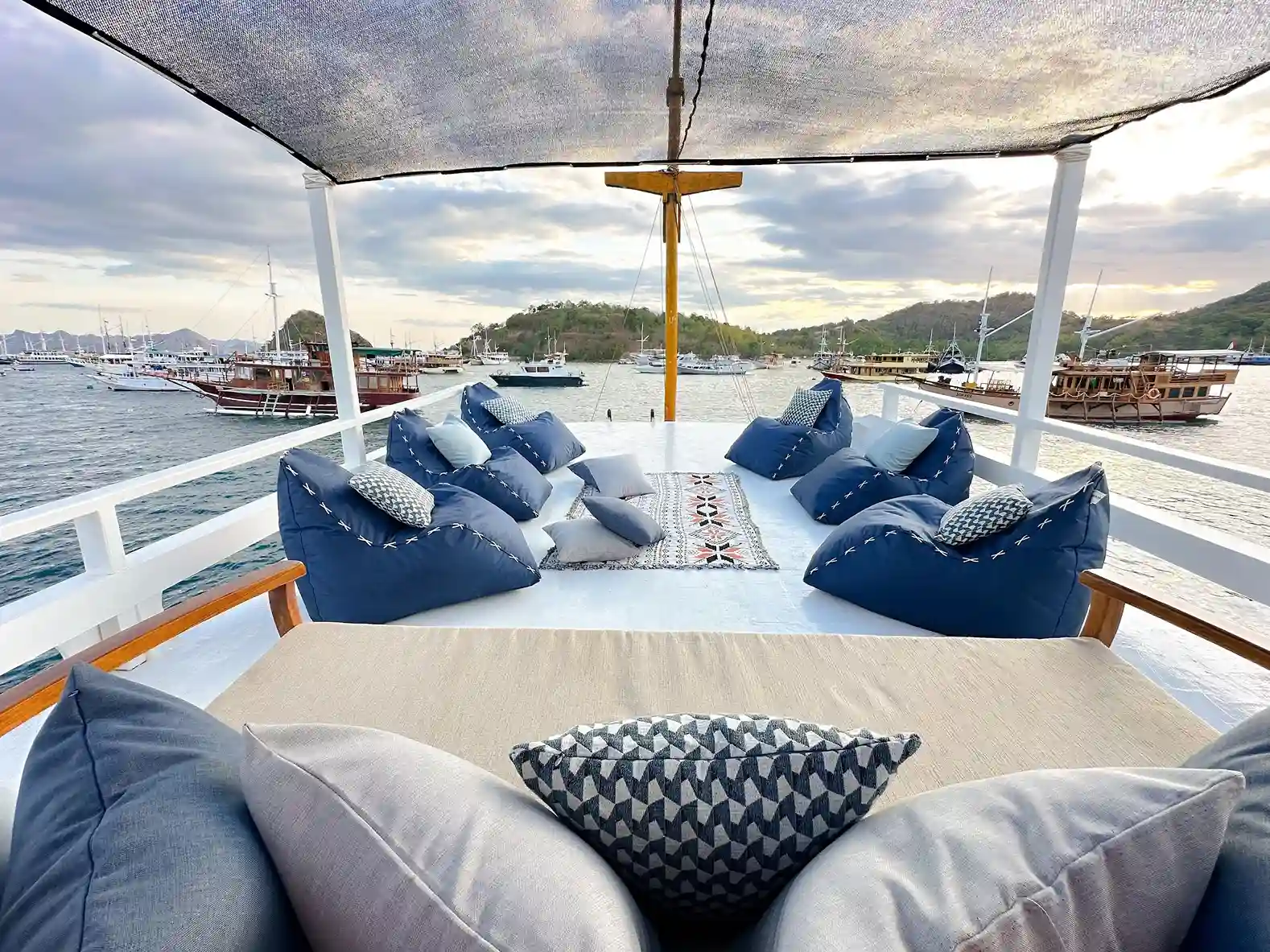
Yes, the Lombok to Flores boat trip can be rough — it crosses genuine open water across the Sumbawa strait, and the traditional wooden open-trip boats feel every swell. But whether it is rough for you depends almost entirely on the month you sail: June to September is usually calm and reliable, while December to February brings the biggest swells and a real risk of a weather cancellation (worst in January and February). Seasickness is common on the exposed legs and the single overnight sail, but it is manageable, and most travellers find their sea legs by the second morning.
I’m Ratna Dewanti, and I have coordinated open-trip manifests at the Bangsal and Labuan Bajo harbours since 2017. I have watched hundreds of these crossings leave in flat, glassy water — and a handful turn back in a storm. This is the honest version of what the sea actually does, when it does it, and how to stay comfortable, not the brochure one. Everything below is checked in person each quarter (last checked August 2026).
How Rough Is the Lombok–Flores Crossing, Really?
On a calm-season morning the water is often glassy and you will wonder what the fuss was about; on a rough-season afternoon the same stretch can pitch and roll enough to send half the deck quiet. The crossing is not a calm, sheltered lagoon — it is open sea. You are sailing roughly 400 km across the Sumbawa strait, and at least one leg is done overnight while you sleep.
The boats themselves matter. These are traditional wooden carriers, not stabilised metal ferries, so they move with the water rather than cutting through it. That is part of the charm in calm conditions and part of the challenge when it is lumpy. The reassuring part: captains here read the weather every day and reorder the route to keep you in the most sheltered water they can, which is exactly why the plan on the 4 days 3 nights itinerary is a shape, not a fixed timetable.
Sea Conditions Month by Month
The single best thing you can do to avoid a rough trip is pick the right month. Here is the season pattern I work from, checked August 2026:
| Season | Months | What the sea does |
|---|---|---|
| Calm / best | Jun–Sep | Flat mornings, reliable departures; peak crowds and top-of-band prices |
| Shoulder | Apr–May, Oct–Nov | Mostly fine, the occasional lumpy afternoon |
| Rough / risky | Dec–Feb | Big swells, frequent seasickness, real chance of a safety cancellation (worst Jan–Feb) |
| Transition | Mar | Improving, variable week to week |
If your only free dates fall in the rough window, you can still sail — plenty of travellers do — but go in with your eyes open, build in a spare day, and treat any cancellation as the captain protecting you. For the full month-by-month view of seas, wind and crowds, see best time for a Flores boat trip; for prices and departure days across the whole season, start with the Lombok to Flores boat trip guide.
Which Parts of the Trip Actually Get Bumpy
Not every hour of the crossing is exposed. The rough stretches are the open-water legs between islands and the overnight sail; inside Komodo National Park and in the lee of the big islands the water is usually calm. Knowing which is which lets you time your seasickness tablet instead of guessing.
| Leg | Typical water | Comfort tip |
|---|---|---|
| Bangsal → Moyo (Day 1) | Open crossing, can be choppy by afternoon | Take a tablet before boarding |
| Around Moyo & Satonda (Day 2) | Mostly sheltered, short hops | The easy day |
| Overnight sail to Komodo | Open water, felt most while lying down | The classic seasickness leg |
| Inside Komodo NP (Day 3) | Sheltered island hopping | The calmest day |
| Arrival into Labuan Bajo (Day 4) | Short, usually calm | Relax, you made it |
Will You Get Seasick? An Honest Take
If you are prone to motion sickness, assume you will feel it on the open legs — and prepare accordingly rather than hoping. If you rarely get carsick or airsick, you will probably be fine, especially in calm season. The overnight sail catches the most people out, because lying below deck with no horizon to fix on is exactly the situation that triggers it.
Two patterns I see every season. First, seasickness almost always fades — by Day 2 most travellers have adjusted and the worst is behind them. Second, the people who suffer most are the ones who skipped medication because they ‘never get sick,’ then met their first real swell at 2am. Respect the open water, take it seriously in the rough months, and you will enjoy the trip far more.
How to Prevent Seasickness on Board
These are the remedies that actually work on these boats, in the order I hand them to nervous guests:
- Medicate early. Take a motion-sickness tablet the night before, and again on the morning of any open-water or overnight leg — once you already feel sick, tablets work poorly.
- Pick your spot. Sleep and sit low and central, near the waterline midships, where the pitching and rolling are gentlest. The bow and the top deck move the most.
- Watch the horizon. Keep your eyes on distant land or the horizon — not on your phone or a book — whenever the water is moving.
- Get fresh air. Stay out on the open deck rather than in a stuffy cabin when you feel queasy; airflow helps more than lying down.
- Eat light, stay hydrated. Dry crackers, plain rice, ginger tea and water. Skip greasy food and alcohol the night before an open leg.
- Pack ginger and acupressure bands. Ginger sweets and wrist bands help some travellers; they cost little, weigh nothing, and are worth bringing from home.
Bring your own tablets — do not count on finding a specific brand in Labuan Bajo. Our full kit list, including what to wear on a cool night sail, is in what to pack on a Komodo boat trip. Where you sleep matters too, which is the next question.
Deck or Cabin When the Sea Is Rough?
Counter-intuitively, the open deck is often the more comfortable place to be in a swell, because you get fresh air and a clear view of the horizon — the two things that fight seasickness. A closed cabin gives you privacy and warmth, but with no horizon and less airflow it can make motion sickness worse for those prone to it.
My honest steer: if you are seasickness-prone, book a cabin for a private, warmer place to sleep, but spend the rough daytime legs up on deck with your eyes on the land. We compare wifi, toilets, warmth and sleep quality across both in deck vs cabin on an open trip. Either way, a slightly higher-spec cabin boat — open-deck spots start from about IDR 2,500,000 per person and cabins a little above that — buys you an easier night when the water is up; the full price and class breakdown sits on the Lombok to Flores boat trip page.
Is It Safe? What a Cancellation Really Means
A reputable operator that cancels or postpones in a storm is protecting you, not letting you down — that is the system working, not failing. The Sumbawa strait can produce conditions that are genuinely unsafe for a wooden boat, and the correct response is to wait, reroute, or refund, which is exactly what serious operators do.
This is why two habits matter in the rough season. First, keep a buffer day in Labuan Bajo — never book your onward flight for the same morning you are due to arrive, because harbours run on sea time, not clock time. Second, book with an operator who will actually make the safety call rather than sail into a storm to protect a schedule. If you are not sure how to tell a well-run boat from a risky one before you pay, ask us and we will point you to operators with the track record to back it up.
Sail in the Right Window — Ask Us First
The difference between a rough trip and a dream one is usually the calendar, not luck. Tell us your dates and we will tell you honestly what the sea is likely to do, which operators are sailing, and whether a deck or cabin suits you — with live availability and no obligation.
Message us on WhatsApp +62 811 3823 875 or email [email protected], and we will read you the real departure list for your window.
Frequently Asked Questions
Is the Lombok to Flores boat trip rough?
It can be. The crossing covers about 400 km of open water across the Sumbawa strait on a traditional wooden boat, so it feels the swell. In calm season (June to September) the water is often flat and reliable; in rough season (December to February) big swells and seasickness are common, worst in January and February. The exposed open-water legs and the one overnight sail are the bumpiest parts; inside Komodo National Park the water is usually calm.
What is the worst time of year for rough seas on the Lombok–Flores crossing?
December to February is the roughest and most cancellation-prone window, with the worst conditions usually in January and February. June to September is the calmest and most reliable stretch, while April–May and October–November are shoulder months that are mostly fine with the occasional lumpy afternoon. Dates checked August 2026.
How do I avoid getting seasick on the boat?
Medicate early — take a motion-sickness tablet the night before and again on the morning of any open-water or overnight leg, because tablets work poorly once you already feel ill. Sit and sleep low and central near midships, keep your eyes on the horizon rather than your phone, stay out in fresh air on deck, eat light, and try ginger sweets or acupressure wrist bands. Bring your own tablets from home.
Is the Lombok to Flores boat trip safe?
Yes, when you sail in the right season with a reputable operator. The single biggest safety factor is weather: a serious operator will cancel, postpone or reroute in a storm rather than sail into unsafe conditions. Travel in the calm months if you can, keep a buffer day in Labuan Bajo so a delay does not cost you a flight, and choose an operator known for making the safety call.
Which is better in rough seas — deck or cabin?
For fighting seasickness, the open deck is often better during the day because you get fresh air and a clear view of the horizon. A closed cabin is more private and warmer for sleeping but has no horizon and less airflow, which can make motion sickness worse. A good compromise if you are prone to it: book a cabin to sleep, but spend the rough daytime legs up on deck watching the land.
What happens if my boat trip is cancelled because of weather?
A reputable operator will wait for a safer window, reroute to more sheltered water, or refund you rather than sail into a storm — that is the system protecting you. This is why a buffer day matters in the rough season: never book your onward flight for the same morning you are due to arrive. Message us on WhatsApp +62 811 3823 875 for the live conditions and departure list before you commit to dates.