Sustainable Tourism Flores 2027: Eco-Friendly Practices for Boat Trips
Flores Boat Trip Expeditions Editorial Desk 7 min read
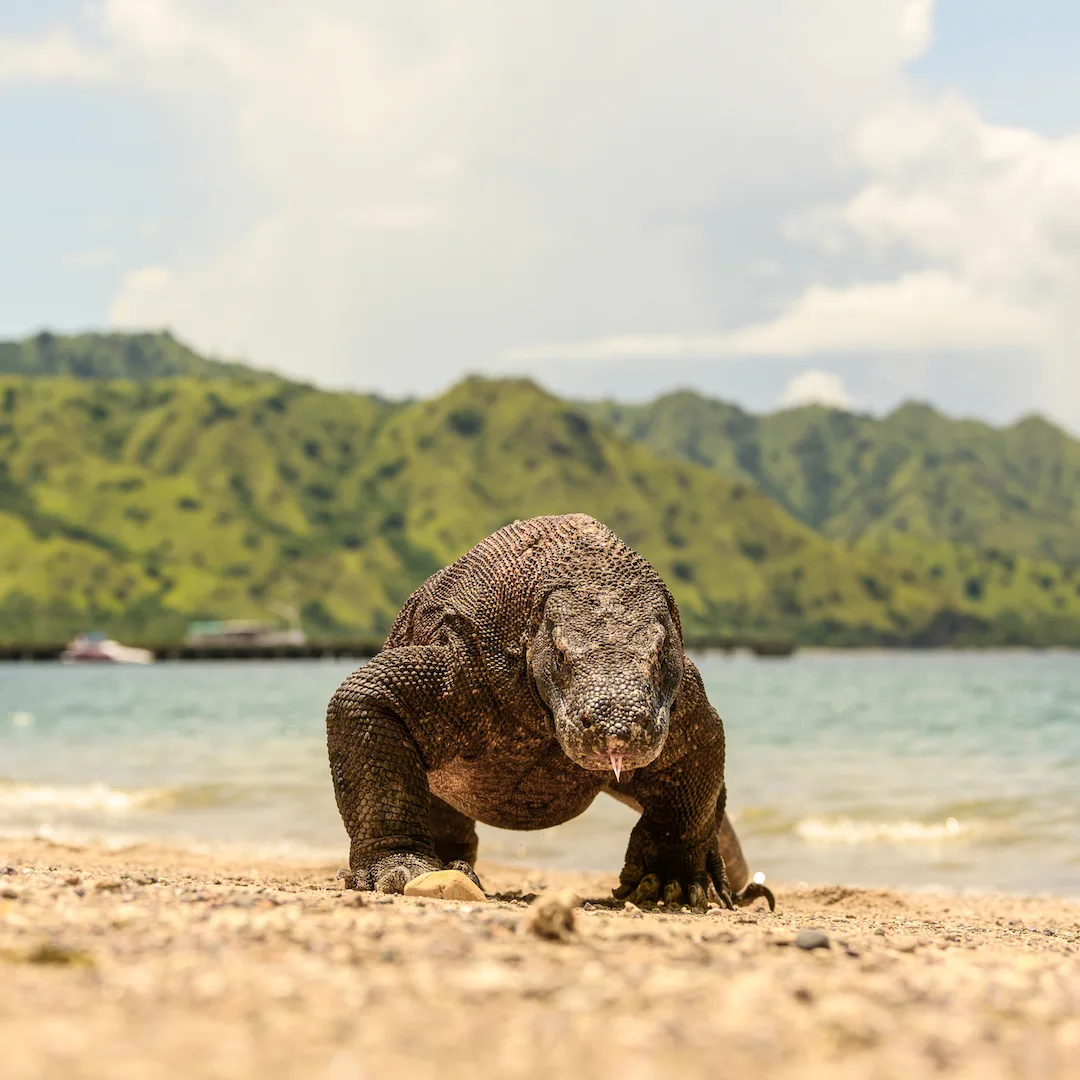
Sustainable tourism Flores 2027 focuses on implementing eco-friendly travel practices for boat trips, ensuring the preservation of natural habitats while providing enriching experiences.
Sustainable Tourism Flores 2027
As the demand for sustainable travel continues to rise, Flores boat trips in 2027 are leading the way in eco-friendly travel initiatives. By prioritising the preservation of the unique ecosystems surrounding the island, boat operators are committed to reducing environmental impacts while enhancing tourist experiences. The island of Flores, part of the Indonesian archipelago, is renowned for its diverse marine life, coral reefs, and lush terrestrial environments. Recognising the importance of these natural resources, the local tourism industry is adopting sustainable practices to ensure their longevity. This includes the careful monitoring of tourist numbers, particularly during peak seasons such as July and August, to prevent overcrowding and environmental degradation.
Eco-Friendly Travel on Flores
Eco-friendly travel is at the forefront of Flores boat trips in 2027. Operators are adopting various measures, from using cleaner energy sources to ensuring waste is managed responsibly. The aim is to protect the marine and terrestrial environments that make Flores a desirable destination. The transition to eco-friendly practices is supported by local regulations that encourage sustainable operations. For instance, official guidelines mandate the use of low-emission engines and eco-friendly materials in boat construction. Additionally, operators are required to adhere to strict waste management protocols, ensuring that no waste is discharged into the sea. These measures are particularly crucial in areas such as the Komodo National Park, where the preservation of the natural environment is vital for both biodiversity and tourism.
Green Initiatives in Flores Boat Trips
- Solar-Powered Boats: Many operators are transitioning to solar-powered vessels to reduce carbon emissions. This transition involves the installation of solar panels on boats, which harness energy from the sun to power electric motors. This not only decreases reliance on fossil fuels but also reduces noise pollution, benefiting both wildlife and passengers. Current estimates suggest that solar-powered boats can reduce emissions by up to 50% compared to traditional diesel-powered vessels.
- Waste Management Systems: Boats are equipped with systems to minimise waste output, promoting recycling and proper disposal methods. Advanced waste management systems include onboard recycling bins and compactors that reduce the volume of waste. Furthermore, operators partner with local waste management facilities to ensure proper disposal and recycling of materials. These practices are essential in preventing pollution of the pristine waters around Flores.
- Local Community Engagement: Collaborations with local communities ensure that tourism benefits residents and contributes to conservation efforts. This includes hiring local guides and service providers, thus supporting the local economy. Community engagement initiatives also involve educational programmes that raise awareness about the importance of conservation. These programmes are often conducted in partnership with local schools and environmental organisations.
- Education and Awareness: Informative sessions for tourists about the environment and sustainable practices are included in trips. These sessions cover topics such as marine biodiversity, the impact of tourism on local ecosystems, and ways to minimise one’s environmental footprint while travelling. By educating tourists, operators hope to foster a culture of sustainability and respect for nature.
What sustainable practices are being implemented for Flores boat trips in 2027?
In 2027, Flores boat trips are implementing various sustainable practices, including solar-powered boats, efficient waste management systems, and collaborations with local communities to ensure minimal environmental impact and maximum community benefit. These practices are guided by both international sustainability standards and local regulations aimed at preserving the natural beauty of Flores. Operators are also exploring innovative technologies, such as biofuels and hybrid engines, to further reduce their environmental footprint. Additionally, ongoing research and monitoring efforts are in place to assess the impact of tourism on local ecosystems and identify areas for improvement.
Table of Key Sustainability Measures
| Sustainability Measure | Description |
|---|---|
| Solar-Powered Boats | Transitioning to renewable energy sources to reduce carbon footprint. Solar panels installed on boats convert sunlight into electricity, powering electric motors and reducing reliance on diesel engines. |
| Waste Management | Implementing recycling and waste reduction systems on board. Boats are equipped with recycling bins and compactors, and operators work with local facilities for proper waste disposal. |
| Community Involvement | Engaging with local communities for mutual benefits and conservation efforts. This includes employing local staff, supporting local businesses, and participating in community-led conservation initiatives. |
2027 Note
As we look towards 2027, the commitment to sustainable tourism practices on Flores boat trips is stronger than ever. With continuous advancements in technology and increased awareness, the future of eco-friendly travel looks promising. For those interested in customising their experience, various options are available to ensure a memorable and responsible journey. Explore more about customisable boat tours on our site. These options allow travellers to tailor their itineraries to include specific activities such as snorkelling, diving, or cultural tours, all while adhering to sustainable practices. Customisation also extends to dietary preferences, with many operators offering locally sourced, organic meals to further reduce the environmental impact of tourism.
FAQ
What sustainable practices are being implemented for Flores boat trips in 2027?
In 2027, Flores boat trips are implementing various sustainable practices, including solar-powered boats, efficient waste management systems, and collaborations with local communities to ensure minimal environmental impact and maximum community benefit. These initiatives are part of a broader effort to position Flores as a leader in eco-friendly travel, attracting tourists who value sustainability and environmental conservation.
How do solar-powered boats contribute to sustainability in Flores?
Solar-powered boats reduce reliance on fossil fuels, decreasing carbon emissions and protecting marine environments from pollution, thus enhancing the sustainability of boat trips. By using renewable energy, these boats help preserve the delicate balance of marine ecosystems, which are home to numerous species of fish, corals, and other marine life. The reduction in noise pollution also contributes to a more peaceful and enjoyable experience for both wildlife and tourists.
What role do local communities play in sustainable tourism on Flores?
Local communities are involved in conservation efforts and benefit from tourism, ensuring cultural preservation and economic support, which are vital for sustainable tourism development. Community involvement includes initiatives such as cultural exchanges, where tourists can learn about local traditions and customs, and conservation projects that focus on protecting endangered species and habitats. By participating in these initiatives, local communities play a crucial role in maintaining the environmental and cultural integrity of Flores.